Hino Crimson Kurume Azalea Bud Blast: Causes and Treatment
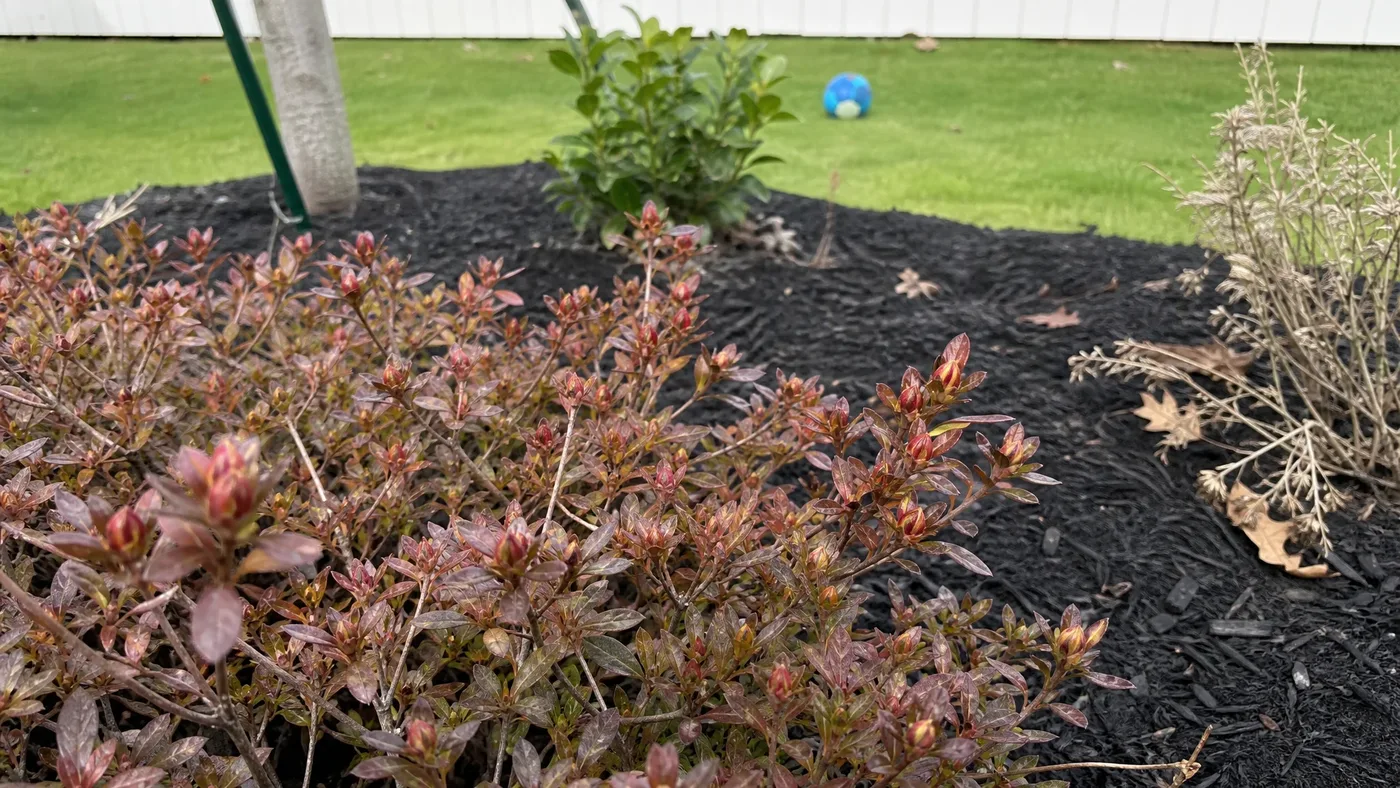
A customer once sent us a photo of a single branch: a dozen buds, brown, dry and shriveled, sitting tight where red flowers should have opened. Their neighbor blamed the frost. A friend blamed the hose. One forum blamed a fungus and another blamed an insect. All four sounded sure, and none could say why the rest of the shrub opened fine.
That failure has a name, bud blast, and it is worth sorting from guesswork because the buds are lost months before anyone sees the damage. This article talks about the causes of bud blast on Hino Crimson and answers the questions customers ask us most. Read on to learn which claims about frost, watering, leafhoppers and fungicide hold up, how to tell bud blast from petal blight, and what to do with browned buds.
Does Cold Alone Ruin Hino Crimson Kurume Azalea Buds?
The belief goes like this: a hard freeze hit in winter, so the brown buds are frost damage and nothing more. Test it before you accept it. Hino Crimson carries its flower buds into winter already formed, and they sit exposed on the branch tips for months, so cold is a fair suspect.
The trouble is that sources disagree on how much cold this cultivar takes. Hino Crimson is often rated hardy to USDA Zone 7. If your winters run colder than Zone 7, cold injury is plausible, and our winter care and cold protection guide covers what to do about it.
Check the Pattern Before You Blame Frost
Cold leaves a pattern you can read. Ask whether other plants in the yard lost flower buds or shoot tips on the same night, especially unrelated shrubs with the same exposure. If they did, cold is the likely cause. If the damage sits on one azalea and the rest of that plant looks sound, keep looking.
Check the foliage too. Hino Crimson's small, glossy leaves turn bronze in winter as a normal trait, so bronze color alone is not injury. We often see customers read that winter bronzing as frost burn and then overlook what is actually happening at the buds.
Verdict: cold can kill buds, but it does not explain brown buds scattered through an otherwise healthy plant. Treat frost as one suspect, not the answer.
Is Bud Blast Just a Watering Problem?
The second belief says the plant was too dry in summer or too wet in winter, and the buds gave up. Our sources do not support that as the cause. Bud blast means infected flower buds that turn brown and die, with a fungus and an insect in the picture, and watering is not among the causes.
Water can still weaken the plant. Hino Crimson wants soil that is moist but well-drained, leafy and rich in humus, and it stays very small, with an ultimate height of only 4–20 inches (0.1–0.5 m). A plant that size can show stress quickly in a dry spell or a waterlogged pot, which is why we ask about the soil before anything else.
What Water Stress Looks Like
Water stress rarely hits buds alone. Look at the leaves first. Limp or scorched-looking foliage, or soil that is dust dry or soggy beneath the mulch, points to water. Glossy leaves and evenly moist soil argue against it.
If you find a water error, fix it with our watering guide, and check drainage and acidity together using our soil and pH guide. Then keep reading, because correcting water will not bring back a bud that is already dead.
Verdict: watering can weaken a plant, but it does not explain a bud that browned on a plant that is otherwise comfortable.
Leafhoppers and Hino Crimson Kurume Azalea Bud Blast
This is the claim with the most evidence behind it, and the evidence is still thinner than the confident forum posts suggest. The rhododendron leafhopper has one generation a year and overwinters as eggs laid in late summer and autumn in developing flower buds. For Hino Crimson, whose buds are forming at that time, that is the vulnerable window.
The Case for the Leafhopper
A fungus known as bud blast (Seifertia azalea) may infect the buds through the egg wounds. The timing fits. Eggs go into the buds in late summer and autumn, and the buds carry those wounds through winter. The eggs hatch in late April to May, and the wingless nymphs feed by sucking sap, so the insects appear just as the buds should be swelling.
The Case Against
Some research has placed doubt on the egg-wound route. That is a real gap, and nobody should tell you otherwise. One of the most common questions we get is whether killing the insect will stop the browning. The honest answer is that the sources cannot promise it.
The insect itself is not the danger. It does not affect the growth or vigor of plants and can be tolerated, and its feeding has no obvious effect on the foliage. A leafy, healthy plant with brown buds fits this picture. These dates come from a UK source, so ask your local extension service when eggs hatch in your area.
Verdict: plausible, unproven, and no reason to panic about the leaves.
Brown Buds Are Not Petal Blight
Some readers reach this guide from the petal blight side, so separate the two by timing. Bud blast kills flower buds that never open. Our Petal Blight guide covers damage to flowers that have already opened. If no petal ever unfolded, you are dealing with bud blast.
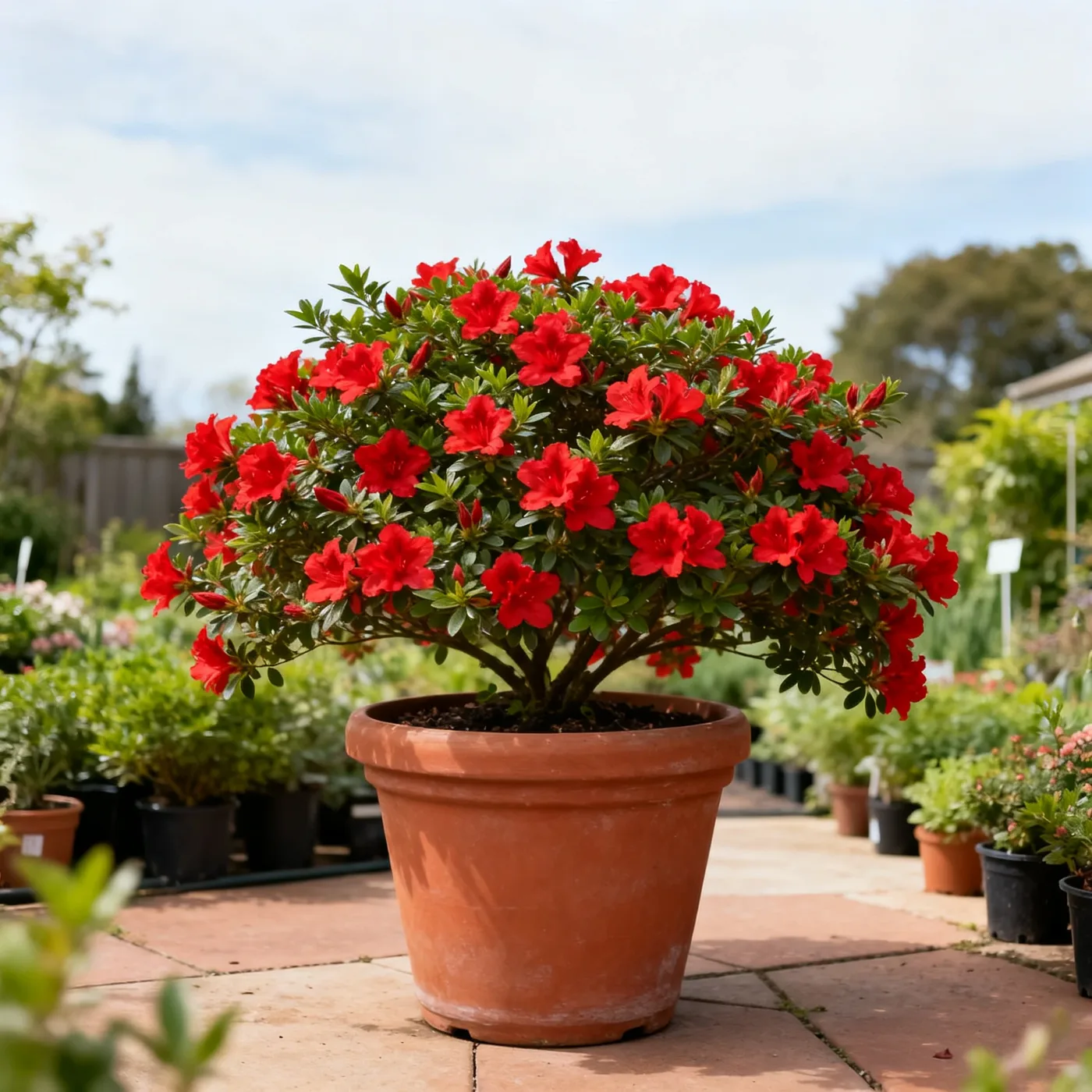
Hino Crimson makes this easy to read because its flowers are so conspicuous. Its flowering period is mid to late spring in the UK, and the color is bright red (52A) and non-fading. A bud that is brown and dry before any red shows is not a petal problem. Our bloom time and flower color guide helps you check your own calendar.
Use this table to match what you see to the right problem.
| What to Compare | Bud Blast | Petal Blight |
|---|---|---|
| Flower stage | Unopened buds | Open flowers |
| What you see | Buds turn brown and die | Damage on open petals |
| Vulnerable window | Late summer and autumn, when eggs go into developing buds | Spring bloom, with petals open |
| Where to read more | This guide | Our Petal Blight guide |
Both can strike one plant in the same year. If you see brown buds and spoiled open flowers together, use both guides. To rule out unrelated causes, our guide to common problems and fixes is a good second stop.
Why Fungicide Alone Will Not Fix Hino Crimson Kurume Azalea Buds
The belief is simple: name the fungus, spray it, and the buds recover. Start with what is dead. Infected flower buds turn brown and die. A dead bud does not come back, so no spray can rescue the buds you are looking at today. At best, a spray protects buds that are not yet infected.
Then look at the evidence for spraying as protection. Our sources name the fungus, Seifertia azalea, but give no fungicide product, rate or schedule for bud blast, and they note that some research doubts the leafhopper-to-fungus route. Without a proven route of infection, a spray calendar is a guess about when to aim. Ask your local extension service which products are labeled for azalea buds in your state before you buy anything.
What is recommended instead is sanitation: flower buds with bud blast can be picked off and disposed of to reduce the fungal spores released nearby, though this is only feasible for smaller plants. Hino Crimson qualifies, with that 4–20 inch ultimate height, so hand work can cover every branch. Plenty of advice says to spray first and clean up second. We would reverse that order.
Verdict: fungicide alone does not fix it. If you use it at all, use it as a supplement to removal.
Treating Hino Crimson Kurume Azalea Buds Already Browned
You cannot revive a browned bud, but you can lower the odds of a repeat. Work in the order below, and keep the plant's size in mind: it is low and compact, so you can see every branch without a ladder.
Remove Affected Buds by Hand
Do this as soon as you see browned buds. Removal reduces the spores released in the vicinity, so the sooner the dead buds leave the plant, the less time they have to release them.
- Inspect the whole plant tip by tip in good light, and look at the inner branches as well as the outer ones.
- Pick off every bud that is brown and dead, using clean fingers or snips.
- Drop each bud straight into a bag rather than onto the ground around the plant.
- Dispose of the bag away from the plant, and do not leave the buds under the shrub.
- Leave buds that still look alive, and recheck in a week or two.
Keep Leafhoppers in Check
Eggs hatch in late April to May, with wingless nymphs feeding by sucking sap, so spring is the time to look for them. Remember that the insect does not harm growth. You are controlling it only to cut off the suspected route into the buds. Our sources name no product, so ask your local extension service for options and timing.
If you buy a plant from us, look over its buds the day it arrives and tell us what you see.
Time the Work Around the Calendar
Plan two checks a year. Look in spring, when the buds should swell and the eggs hatch, and pick any that browned. Look again in late summer and autumn, when eggs are laid in the developing buds, so you catch trouble early. These dates come from a UK source, so shift them to fit your climate. Do not strip healthy buds in autumn to stay ahead, because next spring's flowers are on those buds.
Bud Blast Claims, Weighed and Settled
Four claims held up in part. Cold can kill buds, but only when the damage pattern fits the whole yard. The leafhopper's timing matches the buds' vulnerable window, although the fungus link is doubted. Brown unopened buds really are a separate problem from petal blight. Picking off infected buds is the one control that holds up. Watering as the sole cause and fungicide as the sole fix did not hold up.
The one action worth doing before next bud set: inspect the plant in late summer and autumn, when new buds form and eggs are laid, then pick anything brown the moment you see it through spring.
Hino Crimson Kurume Azalea
Nursery-grown Hino Crimson Kurume Azalea in sizes from 3 Gallon, shipped to your door.
From $79.95
Shop Now →Bud blast is far easier to read in a plant you know, and ours grow in moist, well-drained, humus-rich acid soil with half to full sun on our farms. We run a small grower-run business and only ship plants we would plant ourselves. If a healthy Hino Crimson is your next step, come and meet the plants we have ready.