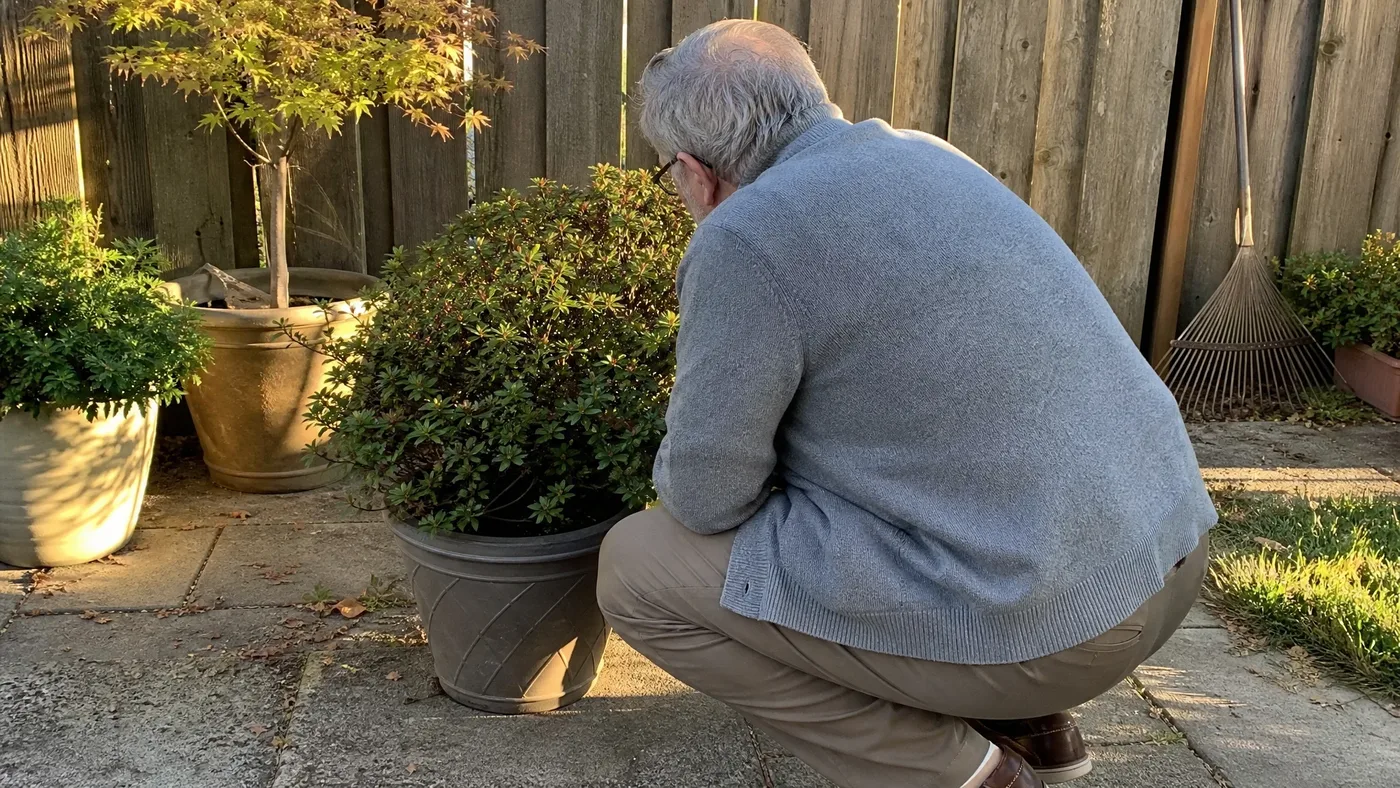
Spotting and Treating Mealybugs on Hino Crimson Kurume Azalea
Roll a leaf between two fingers, then check the fork of the twig behind it. If you find a smear of white fluff, like a bit of lint, stop and look closer. That fluff is wax, and under it sits a soft, sap-feeding insect. A female mealybug leaves a cottony sac holding hundreds of eggs, so one smear you ignore this month becomes a dozen next month.
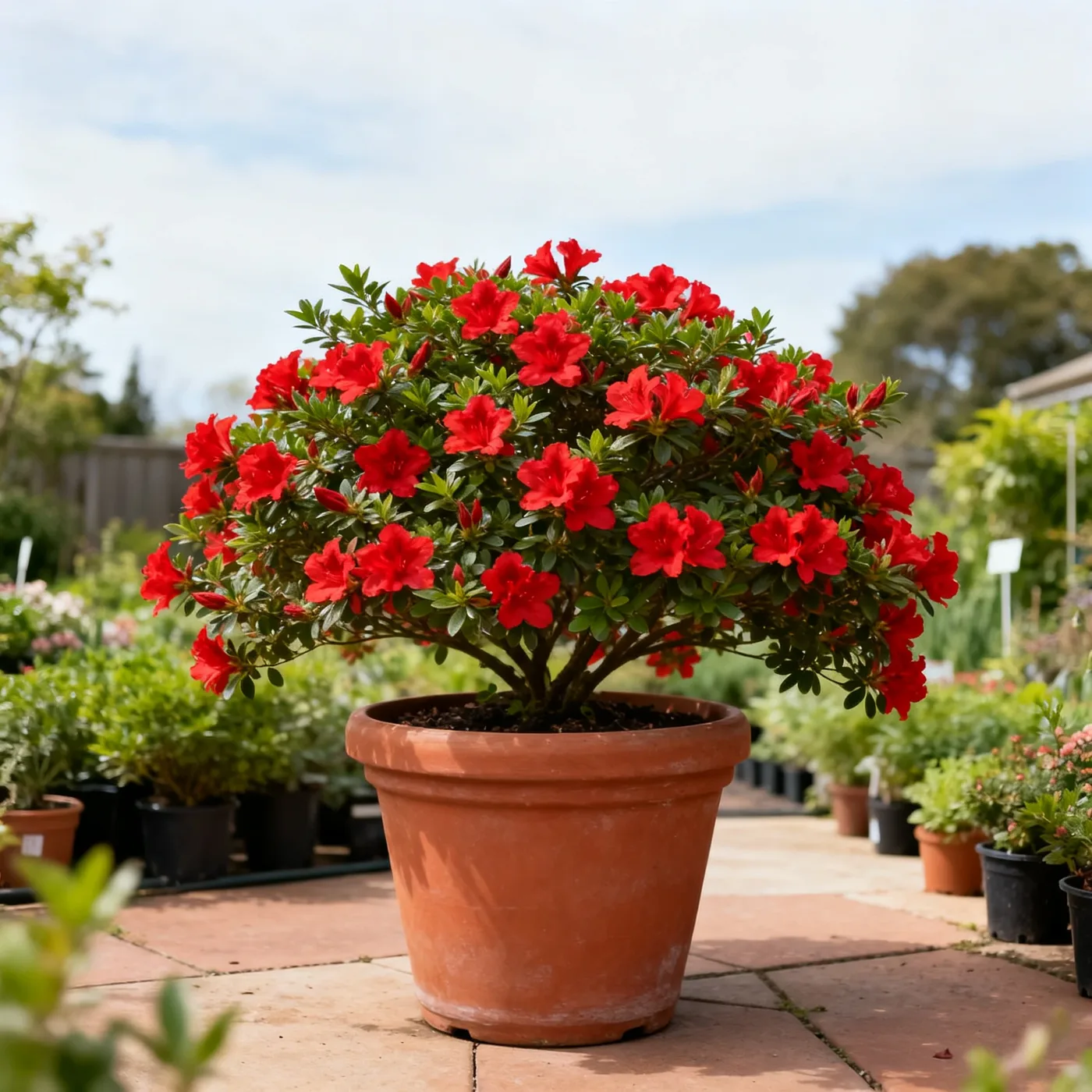
Hino Crimson makes the search harder. Its low, dense, tiered branches and tight leaf axils give mealybugs a lot of hidden pockets, far more than an open-branched azalea would.
This guide covers everything you need to know about finding and clearing mealybugs on this shrub, from the inspection kit and the signs they leave behind to spot treatments, sprays, systemic drenches and a light routine that keeps them from coming back.
Hand Lens and Light for Hino Crimson Kurume Azalea
Hino Crimson carries small, glossy leaves on a low, flat-tiered frame, so a glance from standing height tells you almost nothing. Mealybugs settle where your eyes don't reach. Put together a small inspection kit and use it the same way each time, so you notice change early.
A 10x Hand Lens
Buy a 10x lens, the kind that hangs on a cord. Hold the lens close to your eye and bring the leaf up to it, rather than hunting with the lens at arm's length. Check leaf axils first, then the underside of the midrib, then the rough bark where twigs fork. At 10x a mealybug looks like a flattened oval dusted with white powder. A lone bug with little fluff is easy to miss without it.
A Flashlight Held Low
Go out in shade or at dusk and hold a small flashlight nearly parallel to the branch. Side light makes wax threads throw shadows, so fluff stands out against glossy leaves. Shine it up from beneath the tiers into the center of the mound. Lift the outer leaves with a pencil to see inside.
White Paper for Tapping Branches
Hold a sheet of white paper under a branch and tap the branch sharply twice. Loose debris, young insects and anything that clings weakly will drop onto the page. Look at anything that crawls slowly with your lens. Tap several branches around the whole shrub, not only the one that looks worst, because colonies rarely stay in one spot.
Cottony Masses on Hino Crimson Kurume Azalea Stems
Mississippi State's extension service describes mealybugs as oval, flattened insects covered in white powdery material. On an azalea you rarely see the bodies first. You see the wax. A mealybug infestation is usually first noticed as fluffy white wax in the leaf axils or other sheltered places, and Hino Crimson has plenty of those.
Look in three places. Bark crevices on older wood hold the largest clumps, often a patch of cotton the size of a pea or bigger. Leaf axils, where each small leaf joins the twig, hold the earliest and smallest colonies. Leaf undersides along the midrib hold scattered individuals. A cottony sac is an egg sac, so treat it as a priority and not as debris.
Lace bug and scale also live on azaleas, and our guide to common Hino Crimson problems covers them. Use this table to tell the three apart before you spray anything.
| Pest | What you see | Where to look | Touch test |
|---|---|---|---|
| Mealybug | White fluff and soft oval bodies | Axils, bark crevices, leaf undersides | Smears into a sticky, pale mess |
| Lace bug | Pale stippling on top of leaves, dark specks beneath | Leaf undersides | No fluff at all |
| Scale | Hard or waxy bumps stuck to the bark | Twigs and midribs | Bump scrapes off, no cotton |
Don't stop at the outer branches. In our rows, the first colony is nearly always deep inside the mound, close to the main stems, long before anything shows on the outside.
Why Honeydew and Sooty Mold Point to Mealybugs
Mealybugs feed with piercing mouthparts and, like soft scale and aphids, excrete large amounts of honeydew, the sweet deposit of partly digested sap. Black sooty mold grows on that deposit. Honeydew by itself doesn't prove mealybugs, since aphids and soft scale make it too, so use it as a lead and confirm with your lens.
Run the Touch Test
Brush a fingertip over several leaves. A tacky, slightly shiny film means honeydew. On a low mounding shrub the drips land on the tier below, so the sticky leaves sit beneath the source. Trace upward from the stickiest leaf and inspect every axil in the tier above it.
Watch the Ants
Ants collect honeydew and guard the insects that make it. A steady line of ants climbing a stem is one of the clearest hints you will get. Follow the trail up with your flashlight. Ants also chase off the natural enemies of mealybugs, so you will need to deal with them if you want treatments to hold.
Wipe the Black Film
Sooty mold grows on the surface and not inside the leaf. Wipe one leaf with a damp cloth. If the black comes off, you are looking at mold, and the real problem is up the stem. We hear one question again and again: why do my leaves look dusted with soot? Nine times out of ten, the answer is a sap-feeding insect above them.
Rubbing Alcohol, Cotton Swabs and Patience
If you find only a few colonies, hand work beats any spray, because you touch exactly what is there and nothing else. It is slow, which is why it works only on light infestations. Gather rubbing alcohol from the drugstore, a box of cotton swabs, a toothpick and a small bag for the used swabs.
- Test first. Dab one small leaf and wait a day. If it browns, thin the alcohol with a little water and test again.
- Dip a swab in the alcohol and touch each bug and each cottony mass directly. Roll the swab to lift egg sacs.
- Reach into tight axils with a swab tip twisted to a point or with a toothpick wrapped in cotton.
- Bag the used swabs and throw them out. Don't leave them under the shrub.
- Keep alcohol off open flowers. Petals mark easily.
Follow the swabbing with a firm spray of water from a hose nozzle, aimed up from below the tiers. Firm means enough to knock crawlers loose, not enough to tear the small leaves. Spray in the morning so the foliage dries by evening.
Patience matters more than the alcohol. Eggs keep hatching after you clear the visible bugs, so the first round never finishes the job. Repeat the swab and spray on a steady schedule, every few days at first, and recheck with your lens each time. Stop when two checks in a row come up clean. If you need more than a handful of swabs on one visit, move on to a spray.
Insecticidal Soap and Oil on Hino Crimson Kurume Azalea
Mealybugs wear a waxy coat that sheds water, so a spray only works if it wets the insect itself. That makes product choice and coverage matter more than strength.
Choosing Soap or Oil
Pick insecticidal soap or horticultural oil, and read the label to confirm it is approved for azaleas. Sprays of horticultural oil or neem oil control mealybugs, but only with thorough coverage. A Journal of the American Rhododendron Society article names oil as the most environmentally friendly option, applied while the young crawlers are active. Soap is gentler for a first pass. Oil is our choice for a stubborn infestation.
Dilution, Bloom and Heat
Mix exactly as the label says. A stronger mix doesn't kill more bugs, it burns leaves. Test on a few leaves and wait a day before treating the whole shrub. Don't spray open flowers. Bloom timing shifts with climate, so check our bloom time guide and wait until the petals have dropped. Spray in the cool of early morning or evening, never on a hot, bright afternoon or onto a dry, stressed plant.
Getting Coverage Into the Crevices
Customers usually ask us whether spraying the top of the shrub is enough. It isn't. Lift the tiers with one hand and spray up from underneath with the other. Wet every axil, every bark crevice and the underside of every leaf until the spray just starts to drip. After bloom, thin crowded interior twigs so the spray can reach them, and cut out any twig that is heavily coated. Repeat the spray as the label allows, rechecking with your lens in between.
Do Systemics Suit Hino Crimson Kurume Azalea?
Many people reach for a soil drench the day they see white fluff. We would wait. Systemics have a place, but it is a narrow one, and most Hino Crimson plants never need one.
When a Drench Is Worth It
Soil-applied systemic treatments containing dinotefuran are slower-acting but give longer-lasting control. Consider one when two thorough rounds of soap or oil have failed, when infestations return every year, or when the colonies sit so deep in the mound that you can't wet them. Water the soil a day or so beforehand using our watering guide, because the plant has to take the product up through its roots.
When to Skip It
A systemic moves through the whole plant, including flowers, so pollinators can be exposed. Follow the label and local rules, and check with your local extension service before you buy anything. Skip the drench in these cases:
- The shrub is in bud or bloom, or will be soon. Wait until the petals have dropped.
- You have only a few colonies that swabs can reach.
- The label restricts use near water, wells or edible plants nearby.
- The soil is very dry or waterlogged and the roots can't take it up.
Hino Crimson Kurume Azalea Kept Clean Through the Season
A clean shrub comes from a light routine, not a big effort. Every time you water, spend a minute at the mound with your lens and look into two or three axils. Tap a branch over white paper now and then. Check the stem for ants. Watch your feeding too, since lush, soft growth is easy pickings, and our fertilizing guide keeps the schedule modest. Check any new plant before it joins the others.
Stock the shelf once and reuse it every year:
- A 10x hand lens and a small flashlight
- White paper for tapping branches
- Rubbing alcohol, cotton swabs and toothpicks
- Insecticidal soap and horticultural oil approved for azaleas
- A hand sprayer used only for these products
Keeping Mealybugs Off Your Hino Crimson
Look early and look inside the mound, because that is where mealybugs start. Swab small colonies, spray soap or oil with real coverage once the petals drop, and keep a systemic drench for the stubborn cases you cannot reach any other way.
Hino Crimson Kurume Azalea
Nursery-grown Hino Crimson Kurume Azalea in sizes from 3 Gallon, shipped to your door.
From $79.95
Shop Now →Our Hino Crimson grows in beds of acid, leafy soil that keeps even moisture, with half sun through to a full day of it. We only ship top-quality shrubs we would plant ourselves, and we look over each one for white fluff before it goes out. When you want a clean start after dealing with mealybugs, see the plants we have ready.